Look: Fujairah's Wadi Wurayah added to list of Unesco World Heritage sites

The UAE’s Wadi Wurayah National Park was officially inscribed on the UNESCO World Heritage List today, following a decision by the World Heritage Committee at its 48th session in Busan, South Korea.
The park, spanning 225 square kilometres in the Emirate of Fujairah, is the UAE’s first site to be recognised for its ‘Outstanding Universal Natural Value’ and third from the country to make it to the list.
Stay up to date with the latest news. Follow KT on WhatsApp Channels.
The announcement was hailed by Sheikh Salem bin Khalid Al Qassimi, the UAE’s Minister of Culture.
He took to social media platform X and wrote: “Our congratulations to the United Arab Emirates and the Emirate of Fujairah on the inscription of Wadi Wurayah National Park on UNESCO’s World Heritage List, a significant milestone in our commitment to preserving our natural heritage.”
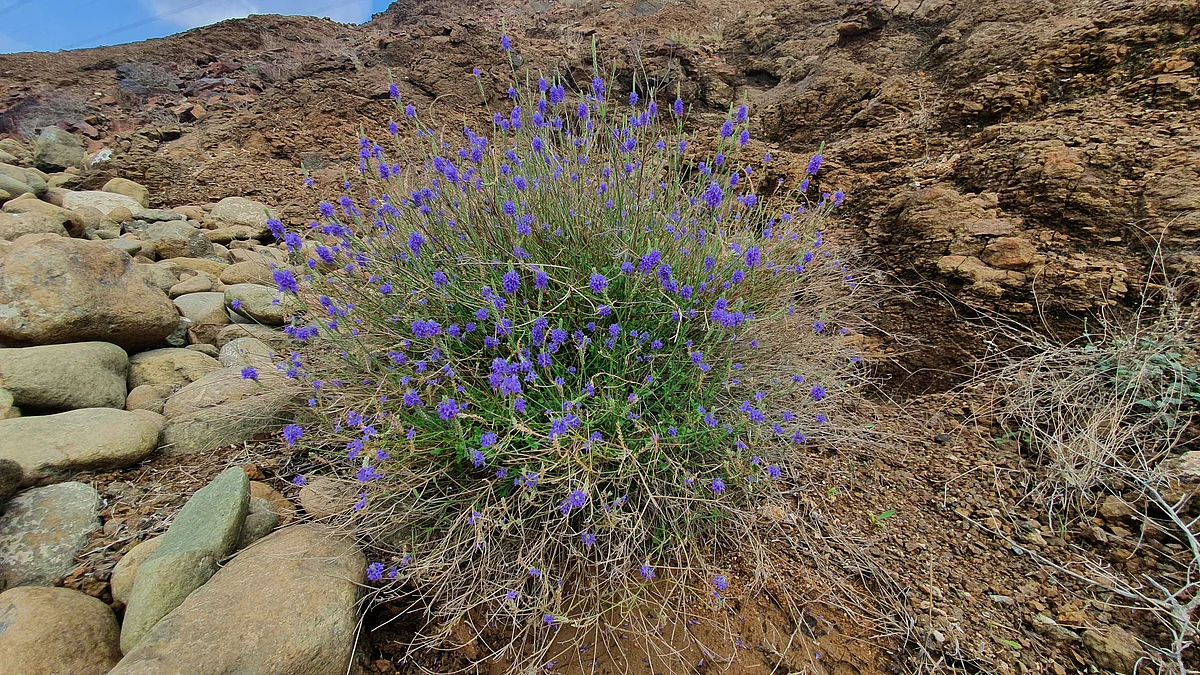
A biodiversity haven
What makes Wadi Wurayah truly exceptional is its permanent freshwater ecosystem in an otherwise arid landscape. The site features more than 300 springs and 60 streams, sustained by a unique hydrogeological structure that allows underground water to emerge as year-round watercourses.
Its ophiolite rocks, exposed fragments of ancient oceanic crust formed 90 million years ago, are regarded by geologists as among the best-preserved in the world.
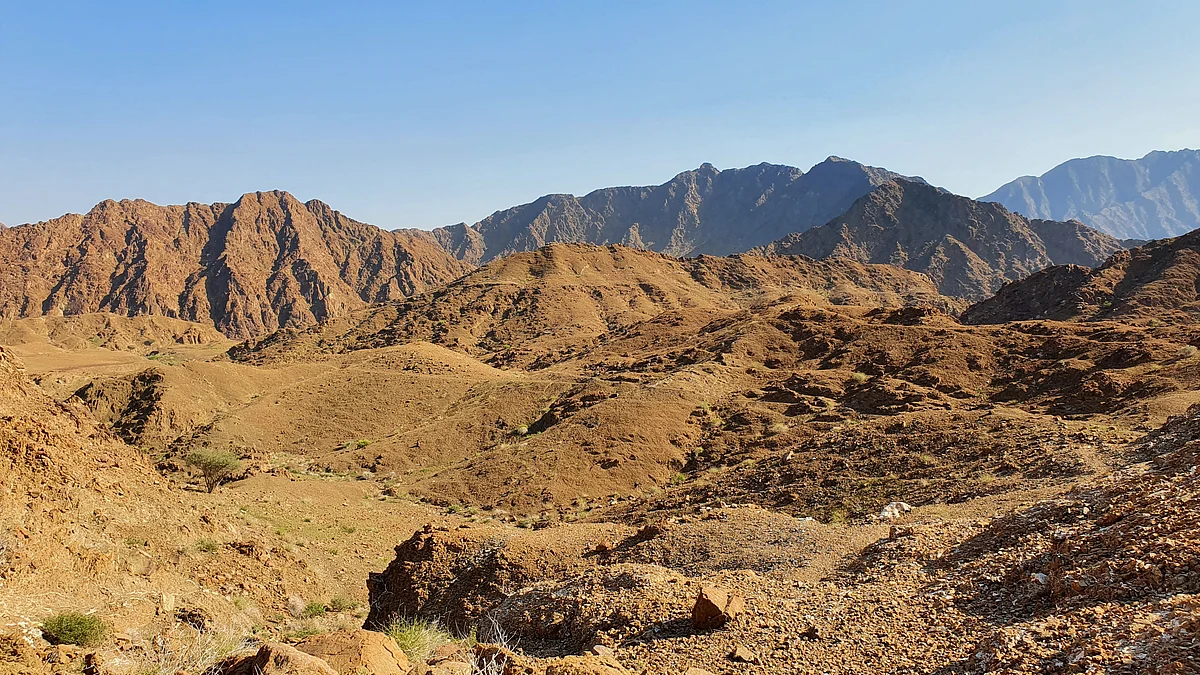
Asilah Abdullah Al Mualla, Director-General of the Fujairah Environment Authority, explained why the area was special. “Since 2006, the studies in the area began; a baseline survey was done which uncovered the presence of 860 different species at the time,” she said. “Taking all that into consideration, it was decided that the potentials in the area deserve to be protected. Now there are 1,099 species recorded in the park.”
The 1,099 species include the endangered Arabian tahr, one of only three places in the world where the wild goat-like mammal still roams. In a landmark discovery last year, the critically endangered Arabian caracal was rediscovered in the park after years without confirmed sightings. Other rare inhabitants include the Blanford’s fox and a dragonfly species long thought to be extinct.
The road to recognition
The journey to UNESCO status began after the 2006 baseline surveys, which led to the park’s designation as the UAE’s first mountain protected area in 2009. In 2013, the park was closed to tourists to allow the ecosystem to regenerate.
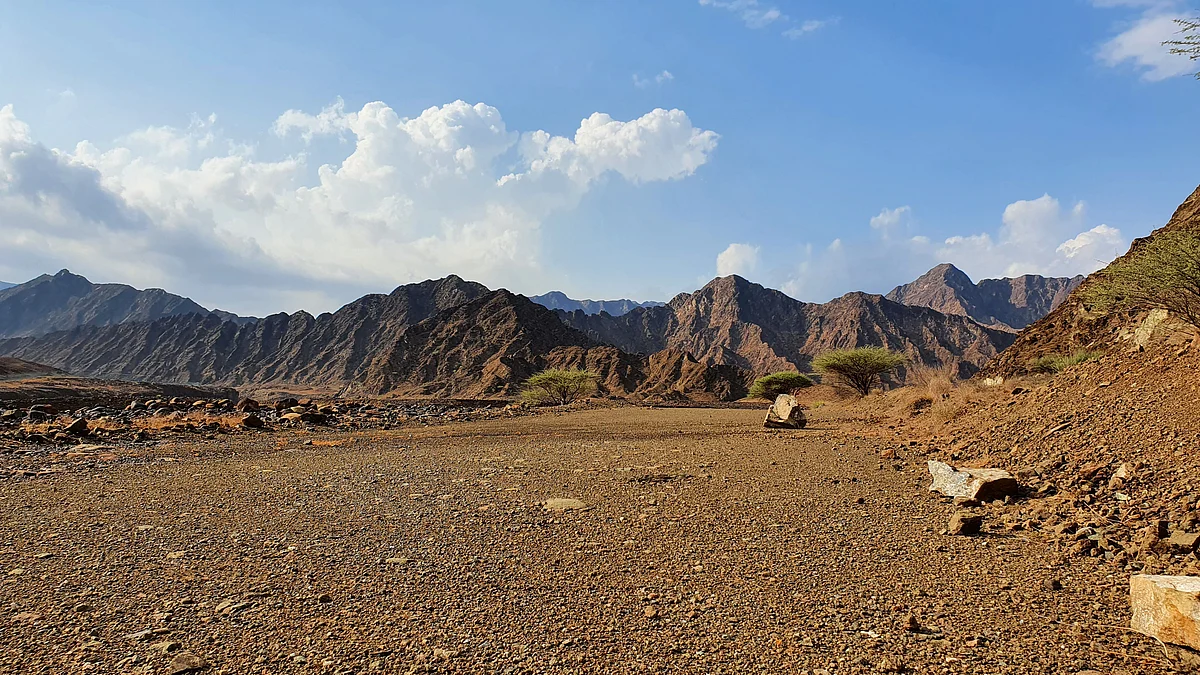
Asilah explained why it was closed. “The decision to close the park was taken after studying the habitat and biodiversity, in order to give the ecosystem the chance to rehabilitate itself,” she said. “Studies continued and showed that the closure was effective.”
The park reopened to the public in January 2026, but only for controlled group visits. “Anyone can register through our operational partner, Fujairah Holidays,” she explained.
Now that the bid has succeeded, Asilah said the real work begins. “Getting the site inscribed is the first step,” she said. “The real work is the reporting and research to keep the list maintained and the site protected. Wadi Wurayah will be known globally, and the UAE experience will be recognised worldwide.”
Wadi Wurayah now joins Al Ain (inscribed in 2011) and the Faya Palaeolandscape in Sharjah (inscribed in 2025) on the UAE’s UNESCO World Heritage List.


